
Strength training is often associated with lifting heavy weights or building big muscles, but the truth is much broader. Whether you are a student, working professional, homemaker, or senior citizen, strength training plays a powerful role in improving your overall quality of life. You don’t need intense workouts or complicated routines to experience its benefits—simple, consistent strength training can transform the way your body performs every day.
From better posture and increased stamina to joint support and improved metabolism, strength training has become an essential part of a healthy lifestyle. In this blog, we explore the real-world, everyday benefits of strength training and why it’s important for people of all ages.
1. Improves Your Posture and Reduces Back Pain
Many people spend long hours sitting at desks, driving, or using mobile phones. These habits weaken core and back muscles, leading to poor posture and chronic back pain.
Strength training helps by strengthening the muscles that support your spine. Exercises like rows, planks, back extensions, and dumbbell deadlifts help align your posture and reduce stress on your lower back. Over time, you’ll stand taller, sit straighter, and experience less discomfort during daily activities.
2. Boosts Metabolism and Supports Weight Management
Muscle tissue burns more calories than fat—even when you’re resting. This means the more muscle you build, the higher your metabolism becomes. Unlike cardio, which burns calories only during the workout, strength training continues burning calories throughout the day.
This helps with:
- Fat loss
- Weight control
- Better insulin sensitivity
- Improved energy levels
People who combine strength training with a balanced diet often see faster and more sustainable results.
3. Enhances Everyday Functional Strength
Functional strength refers to your ability to perform daily tasks comfortably—lifting groceries, climbing stairs, bending, moving furniture, or carrying your children. Strength training improves muscle power, coordination, and endurance, making these tasks easier and reducing strain on your body.
Simple exercises like squats, lunges, push-ups, and deadlifts build the exact muscles you use in everyday life.
4. Strengthens Bones and Reduces Risk of Injury
As we age, bone density naturally decreases. Strength training stimulates bone growth by applying controlled pressure on your skeletal system. This reduces the risk of conditions like osteoporosis and protects joints from injury.
Additionally, stronger muscles provide better stability and support, making falls and sprains less likely—especially for seniors.
5. Improves Mood, Confidence, and Mental Well-Being
Strength training is not just about physical fitness; it has a big impact on mental health. When you exercise, your body releases endorphins—natural mood lifters. Many people experience:
- Reduced stress
- Improved sleep
- Higher self-esteem
- Better focus and clarity
- Lower anxiety levels
Strength training also pushes you to set goals and track progress. Achieving these goals builds motivation and confidence in your everyday life.
6. Helps with Better Mobility and Flexibility
Strength and mobility go hand in hand. Contrary to myth, lifting weights doesn’t make you stiff. When done with full-range movements, strength training improves flexibility and joint mobility.
For example:
- Squats improve hip mobility
- Deadlifts increase hamstring flexibility
- Shoulder presses enhance upper body movement
Better mobility means fewer injuries, smoother movement, and more comfort in your daily routine.
7. Supports Heart Health and Overall Longevity
Strength training improves cardiovascular health by reducing cholesterol levels, lowering blood pressure, and improving blood flow. Studies show that people who engage in regular strength workouts have a lower risk of heart disease and stroke.
Even two or three sessions a week can make a noticeable difference.
8. Makes You More Independent as You Age
As you grow older, muscle mass naturally declines. This affects balance, movement, and independence. Strength training slows this decline and helps maintain strong legs, core, and upper body—all essential for staying active and self-reliant.
Simple strength exercises can help seniors continue to:
- Walk steadily
- Get up from a chair easily
- Carry items safely
- Perform daily tasks without assistance
This leads to a more confident, independent lifestyle.
9. Improves Balance and Reduces Falls
Strength training activates stabilizer muscles—smaller muscles around your joints that help you stay balanced. Better balance reduces the risk of falls, especially in older adults. Exercises like lunges, single-leg raises, and core routines significantly improve overall stability.
10. Fits Into Any Lifestyle
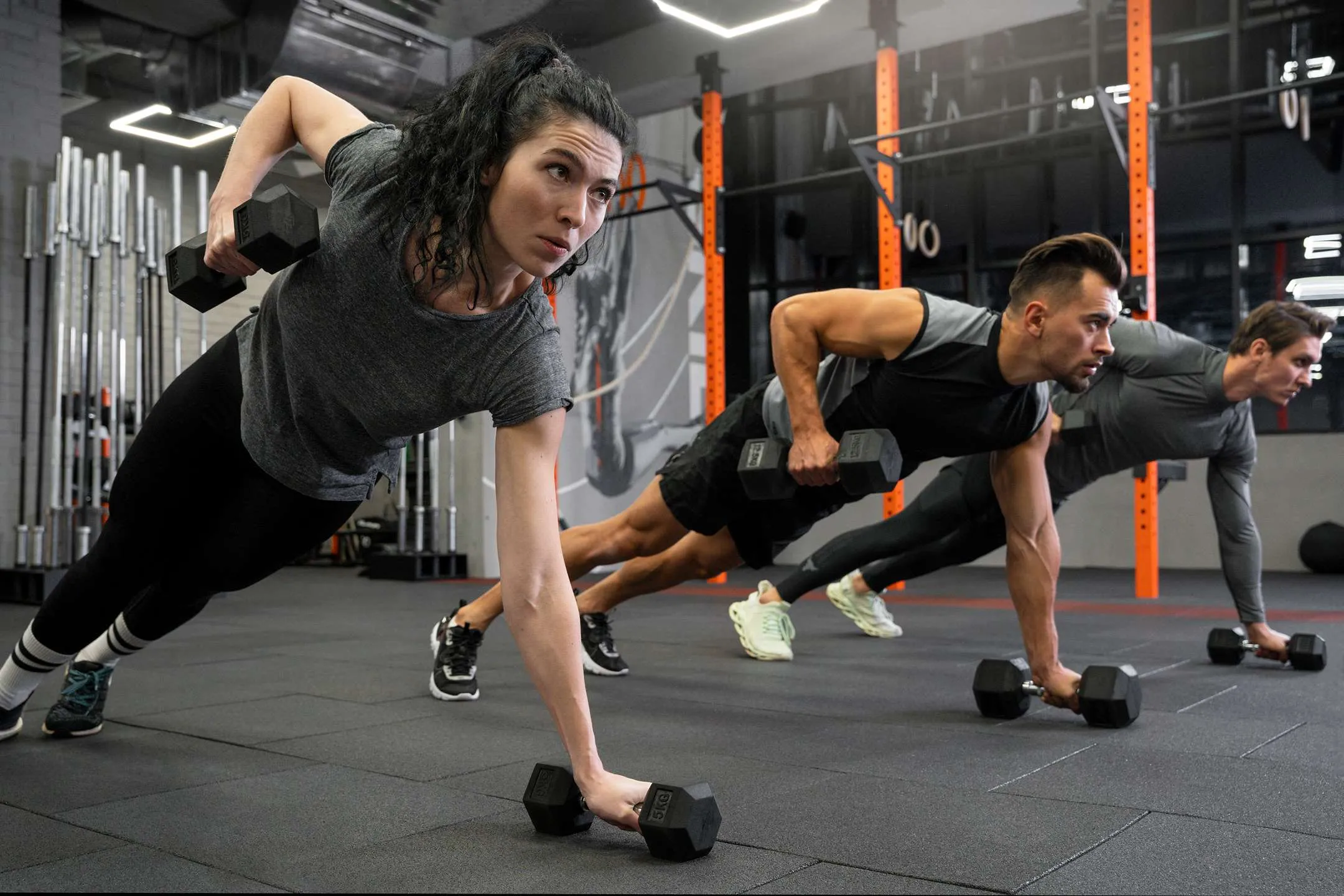
Strength training is flexible, making it easy for anyone to begin. You can train with dumbbells, resistance bands, machines, or even just your bodyweight. You don’t need expensive equipment or long hours. Even 20–30 minutes of structured training, 3–4 times a week, is enough to enjoy its benefits.
A supportive gym environment—such as Toneez Fitness Centre—helps beginners learn the right techniques and build confidence with guided routines.
Final Thoughts
Strength training is more than a fitness trend—it’s an essential part of a healthy lifestyle. The benefits go far beyond building muscle. It improves posture, boosts metabolism, increases functional strength, protects your joints, enhances mental health, and supports long-term independence.
Whether you’re starting your fitness journey for the first time or returning after a break, incorporating strength training into your routine can truly transform your everyday life. Start slow, learn proper form, and stay consistent. Over time, you’ll feel stronger, healthier, and more capable in everything you do.
Consistency is more important than perfection. If you want to improve mental health, you don’t have to make drastic changes to your entire routine, just start incorporating mindfulness and breathwork into your existing routine.
The smaller the change, the more sustainable it will be. Don’t tell yourself you will be mindful at every minute of your workout. You’re going to get distracted. Just keep coming back to your breath.
John Doe Tweet
Now that it’s in your toolkit, you can return to mindful breathing any time as another way build on your fitness, both physical and mental. So just breathe.
Beginner-Friendly Gym Routine | Start Your Fitness Journey
Starting your fitness journey is one of the most empowering decisions you can make. Whether your goal is to lose weight, gain strength, improve stamina,